September 19 – After the Gold Rush at 50

9/19/70: Neil Young –  After the Gold Rush

Today I’m celebrating one of my favorite albums of all time. Albums the caliber of Neil Young’s After the Gold Rush, released 50 years ago today, are what inspired me to start this blog. Yet ironically with albums such as this I have to overcome the constraints of my “What can I possibly say about it that isn’t already known?” mentality. Then I recall that it’s a mighty big world out there, and not everyone worships at the altar of (insert applicable band or artist name). In this case, it’s Neil Young arguably hovering around his creative peak. And that’s saying something considering the overall quality of his output over the past 55-ish years.

Neil Young Releasing 1970 'Cellar Door' Concerts - Rolling Stone

The album was inspired by a Dean Stockwell-Herb Bermann screenplay of an unmade movie of the same title. Neil was going to produce its soundtrack with the title track and Cripple Creek Ferry being written specifically for it. Most of the recording took place in the basement studio of Young’s Topanga Canyon home with the perfect combination of musicians for this particular collection of songs. Jimmy McDonough suggested in his bio of Neil, Shakey, that Young intentionally wanted to combine the folk rock of CSNY with the heavier sound of Crazy Horse, hence an album roster which includes Stephen Stills and Greg Reeves from CSNY, Ralph Molina, Billy Talbot, and a fading Danny Whitten from the Horse, and Jack Nitzsche. But to me the most interesting personnel decision was the inclusion of 18 year old Nils Lofgren, mostly on piano – an instrument he didn’t even regularly play. It all worked, and Nils obviously made the most of the opportunity.

Neil Young's former house in Topanga for sale for $1.45M - Curbed LA

Thinking of the various times over the years in which Neil has changed his mind about what musicians to work with (or what album he wanted to work on or release) – sometimes in mid-recording or even mid-tour – After the Gold Rush sounds like the perfect melding of musicians and styles that have helped him create his best music over the years. I don’t know if it was as harmonious as all that, but that’s how I like to think of it. The various styles are evident from the start: Tell Me Why could be a CSNY song, as could Only Love Can Break Your Heart. The title track hearkens back in my mind to his Buffalo Springfield days (think Expecting to Fly or Broken Arrow).

Then we have driving Crazy Horse-sounding rockers When You Dance… and Southern Man, the latter song deserving a post of its own if not a book. And with tracks such as Don’t Let it Bring You Down,  Birds, I Believe in You, and his cover of Don Gibson’s Oh, Lonesome Me, we hear a warmth in his music that was a bit sparse during his turbulent-to-dark songwriting which was soon to follow in his “Ditch” years. Yet despite the diverse styles, these songs form a very cohesive album.

▷ ACORDES de NEIL YOUNG: Todas sus canciones

Neil Young’s music – especially his singing voice – is not for everyone, that’s understood. But as with his kindred spirit Bob Dylan, for those of us who are touched by his music, it can cut deeply at times. After the Gold Rush is a perfect combination of songs which display his personal and societal angst, along with reminders that things can also be o.k. All in a shade under 35 minutes. And while I’m not an audiophile, this album has always just sounded damn good from a production standpoint, whether it was my first listens on cassette, or later on CD or LP. Perhaps it’s simply one of the better examples of Neil’s “less is more” approach in the studio.

After the Gold Rush by Neil Young (Album; Reprise; M 56383): Reviews,  Ratings, Credits, Song list - Rate Your Music

Extrees:

-The album reached number eight on the Billboard Pop Chart. Only Love Can Break Your Heart and When You Dance I Can Really Love were issued as singles, reaching 33 and 93, respectively.

-The original Rolling Stone review referred to the album as dull, but within a short number of years considered it a masterpiece. Numerous magazines now rate After the Gold Rush among the top 100 albums of all time.

-The solarized album cover photo of Neil passing an elderly woman next to the NYU Law School campus originally included Graham Nash, who was cropped.

Tracklist

Side One:

  1. Tell Me Why
  2. After the Gold Rush
  3. Only Love Can Break Your Heart
  4. Southern Man
  5. ‘Til the Morning Comes

Side Two:

  1. Oh, Lonesome Me
  2. Don’t Let it Bring You Down
  3. Birds
  4. When You Dance I Can Really Love
  5. I Believe in You
  6. Cripple Creek Ferry

-Stephen

https://ultimateclassicrock.com/neil-young-after-the-gold-rush/

https://www.allmusic.com/album/after-the-gold-rush-mw0000192439

https://en.wikipedia.org/wiki/After_the_Gold_Rush

https://www.penguinrandomhouse.com/books/111265/shakey-neil-youngs-biography-by-jimmy-mcdonough/

After The Gold Rush

September 18 – Black Sabbath’s Second

9/18/70: Black Sabbath – Paranoid

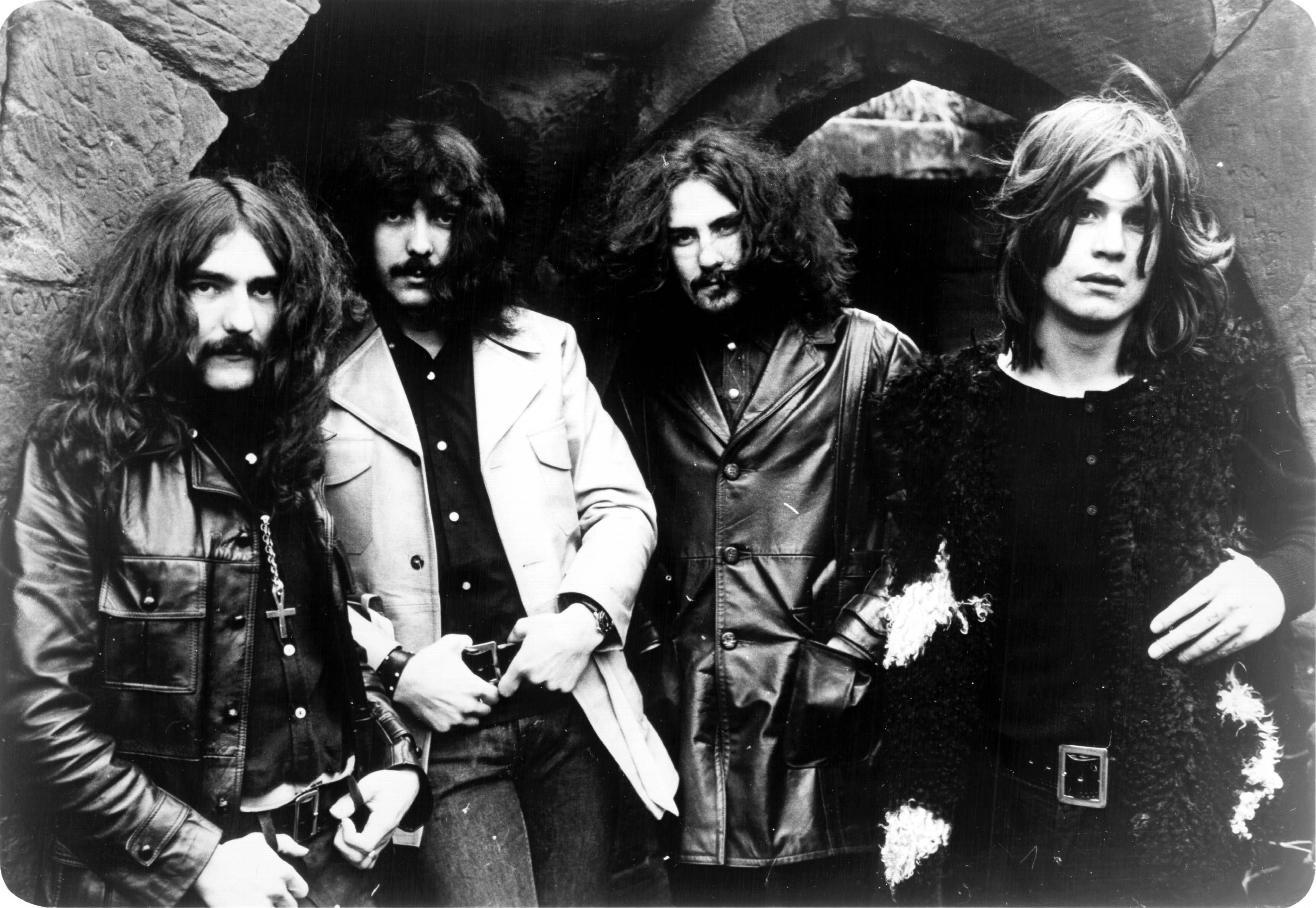
Wrapping up a rather interesting day in 50th music anniversaries, Black Sabbath dropped their rather frightening second album on that bleak Friday in 1970.

Black Sabbath - Wikipedia

This band, as well as Ozzy the solo artist, is a bit of an odd case for me. I’m not going to pretend to be a knowledgeable longtime fan. Osbourne went from being the dark lord of metal from my youth to the amusing caricature of himself on modern “reality” TV. Growing up in the 1970’s and 80’s, the kids who were into this music were the ones who self-tatooed “OZZY” on their knuckles with a ball point pen and seemed to miss school more often than most. You know, the “bad” kids. I always knew and liked a small handful of their songs, mainly from Paranoid, but during my adolescence Led Zeppelin and the departed-on-this-very-same-day Jimi Hendrix were the heaviest sounds emanating from the speakers in my basement bedroom. KISS for a few years of grade school. But Black Sabbath might’ve gotten me thrown out of the house. However…

The older I get, the more I like this music. And more importantly, it’s been a classic since the day of its release. Hence, it gets my 50th anniversary salute.

https://www.youtube.com/watch?v=bYgpv5clf3Y&list=PL5lmIbuJ_sMcVx523KtRHUDCOhtYXZDgn

Tracklist

Side One:

  1. War Pigs
  2. Paranoid
  3. Planet Caravan
  4. Iron Man

Side Two:

  1. Electric Funeral
  2. Hand of Doom
  3. Rat Salad
  4. Fairies Wear Boots

-Stephen

Paranoid

https://www.allmusic.com/album/paranoid-mw0000600570

https://en.wikipedia.org/wiki/Paranoid_(album)

September 18 – Fleetwood Mac, Phase Two

9/18/70: Fleetwood Mac – Kiln House

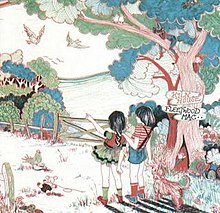
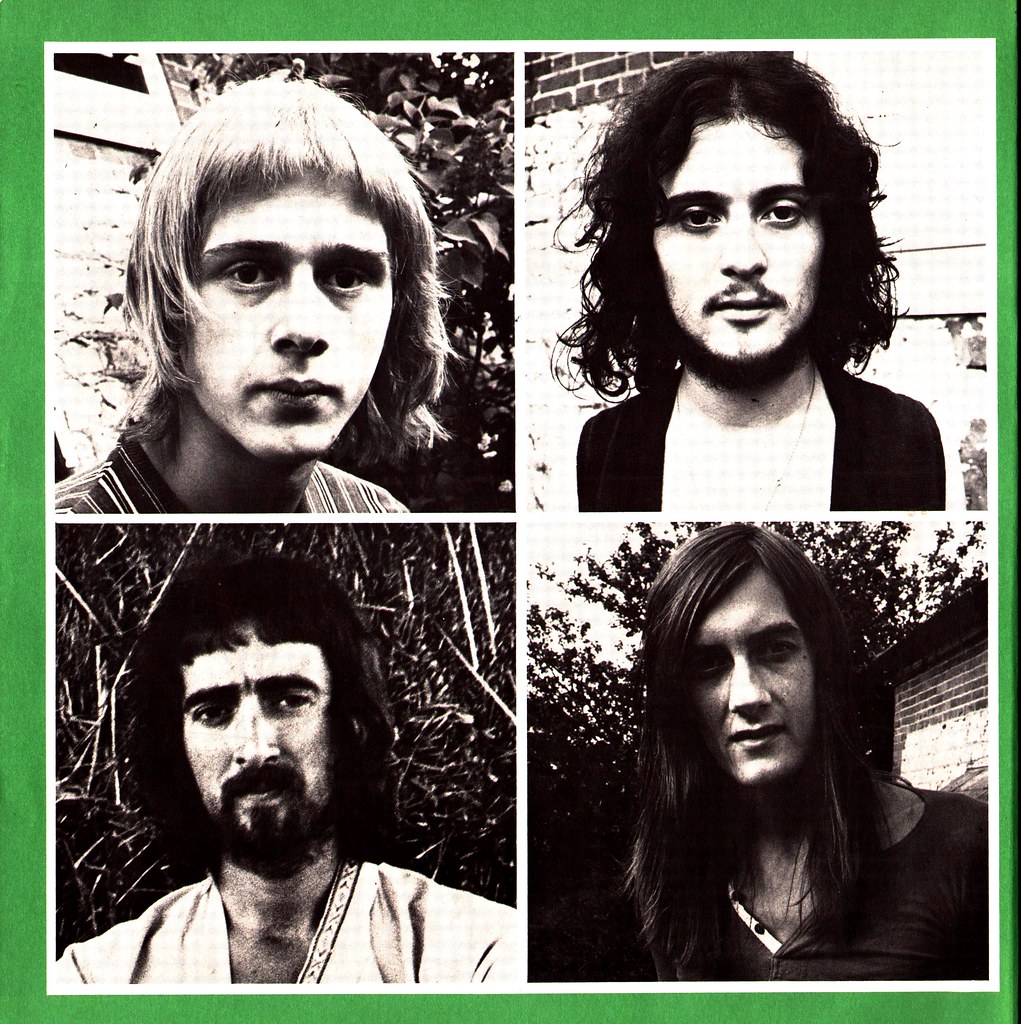
The winds of change were blowing in 1970. From a purely musical standpoint, this date 50 years ago stands out, especially in the realm of blues rock. Most significantly and sadly, Jimi Hendrix passed away in the early morning hours. And when Fleetwood Mac’s fourth studio album went on sale that day, it was the band’s first without blues guitar master Peter Green. There are still some heavy moments on Kiln House with guitarists Danny Kirwan and Jeremy Spencer, the latter making his final appearance with Fleetwood Mac, but we also hear a group trying to find a new direction with elements of blues, folk, 50’s retro, and soft rock mixed together. The album also marks the first appearance of Christine McVie, though she was not yet an official member of the group. She also designed the album cover.

Fleetwood Mac - Kiln House - D - 1970--- | Upper left : Dann… | Flickr

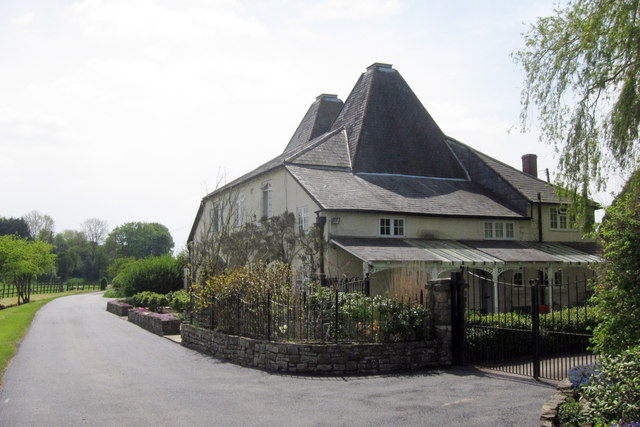
Kiln House – named for a hops drying building that the band and their families lived in communally at the time – lacks cohesiveness yet contains some very good music. Danny Kirwan’s Station Man is my favorite track. It’s a grungy goulash in the vein of early-70’s Stones, Delaney & Bonnie, and Little Feat. Jeremy Spencer’s take on Big Joe Turner’s Hi Ho Silver is a rocker, as is the mostly instrumental Jewel Eyed Judy. Kirwan’s instrumental Earl Gray is a nice interlude after the kitschy Buddy Holly tribute, and the guitar work on Tell Me All the Things You Do suggests the drop off with Green leaving was nowhere near fatal. As for the subjective negatives, I could do without Spencer’s 50’s tributes such as This Is the Rock and Buddy’s Song.

Kiln House, Truncheaunts Lane, Alton © Oast House Archive :: Geograph  Britain and Ireland

That sense of searching for a sound seems to have plagued the group for a six album stretch starting with this one and lasting through 1974’s Heroes Are Hard to Find, yet that may be due in large part to the high standard set during the Peter Green blues years as well as those of the most widely known Fleetwood Mac era of Buckingham and Nicks which followed Bob Welch’s departure. In other words, there’s some really good music on the 1970-74 albums that deserves much wider reappraisal, and Kiln House is but the first of them.

Tracklist

Side One:

  1. This is the Rock
  2. Station Man
  3. Blood on the Floor
  4. Hi Ho Silver
  5. Jewel-Eyed Judy

Side Two:

  1. Buddy’s Song
  2. Earl Gray
  3. One Together
  4. Tell Me All the Things You Do
  5. Mission Bell

-Stephen

Kiln House

https://www.allmusic.com/album/kiln-house-mw0000193528

https://ultimateclassicrock.com/fleetwood-mac-kiln-house/

https://en.wikipedia.org/wiki/Kiln_House

September 4 – Live Raunch from The Rolling Stones

9/4/70: The Rolling Stones – Get Yer Ya-Ya’s Out! The Rolling Stones in Concert

“Paint it Black, you devils!”

When the Rolling Stones began their U.S. tour in November 1969, it marked their first concert appearances here since 1966. The music landscape had changed quite a bit in that time, including live shows. For the major acts, the venues had become larger and the amplification louder. The non-stop shrill screaming of teenage girls had ceased as the crowds were now slightly older. And stoned. Enter the world’s most famous musical band of outlaws, now flaunting their badness more openly and brashly than ever. It was Mick Taylor’s first tour as a member of the band, and the last one they would embark upon as just the principal band (including Ian Stewart) without additional musicians. The joy and the horror of that month-long tour was captured for eternity on the Maysles brothers’ documentary, Gimme Shelter. The live album from those dates, Get Yer Ya-Ya’s Out: The Rolling Stones in Concert, was released 50 years ago today.

Back cover of Get Yer Ya-Ya's Out! - ABC News (Australian Broadcasting  Corporation)

The release of this album was largely a response to the bootleg recording Live’r Than You’ll Ever Be from their Oakland, CA show near the start of the tour, which is considered the first major live bootleg album. Ya-Ya’s as originally released contains 10 of the 15 songs which made up their usual set list, including two Chuck Berry covers and one by Robert Johnson. The performances were taken from their November 27th and 28th shows at Madison Square Garden, with Love in Vain from the 26th in Baltimore. Overdubbing of vocals on six tracks and guitars on two took place at Olympic Studios in January 1970. The album reached number one in the U.K., and number six in the U.S.

The Rolling Stones in Chicago: A timeline of the band's 55-year fascination  with the city's blues - Chicago Tribune

I should probably let it go, but if you’ve read my posts in the past you might know I tend to grumble at the self-importance of contemporary reviewers of these albums that have attained “classic” status, but the fact is that the views of scribes for publications such as Rolling Stone, The Village Voice, the L.A. Times, etc., held a lot of weight back in the day. It was no different with this live document. Lester Bangs, in his contemporary review in Rolling Stone – in which he criticized late-60’s live acts for being either too sloppy or too clinical (insert eye-roll emoji) – asked this question at the outset of his album review having seen the show himself:

Sure, the Stones put on what was almost undoubtedly the best show of the year, but did that say more about their own involvement or about the almost uniform lameness of the competition? 

Criterion Channel on Twitter: "Albert and David Maysles's Direct Cinema  landmark GIMME SHELTER captures the Rolling Stones near the end of their 1969  U.S. tour, at a free outdoor concert in San

Their competition aside, I feel there’s everything to like about the album. I put a lot of value on overall context, and the Stones were close to the heart of arguably their wildest and most arrogant years. To my ears, their irreverence is evident from the outset when Charlie’s drumming kicks in seemingly a half beat behind on Jumpin’ Jack Flash (I mean, they could’ve fixed that in the studio if they’d wanted to, right?). Love in Vain is a highlight for me for Taylor’s solo alone (Bangs called the track a low point of the album…). The guitars of Richards and Taylor drive Midnight Rambler to heights not heard on Let it Bleed, which was released the day before Altamont (though I do prefer the studio version of Live with Me from that album over the one on Ya-Ya’s). We don’t really even need the film to visualize Mick prancing around to it, either. It’s a showstopping performance.

The Rolling Stones Fall 1969 Tour - Rolling Stone

They kick into Sympathy for the Devil after the girl in the audience (Bangs refers to her as “an insistent chick”) shouts at the devils to play Paint it Black. It all seems funny and well timed, but it’s hard to listen to without thinking of its place in the Altamont show a few weeks in the future when Keith stops mid-song to admonish the Hell’s Angels. His playing on this one makes up for the absence of “woo-woo’s” heard on the studio version. I used to look at the Chuck Berry covers as throwaways, but now I see them as grittier takes on what were, for the late 1950’s, eyebrow raising songs. This album actually sounds better to me now than when I was younger, with or without the “bonus” tracks added in 2009. And, for what it’s worth, Lester Bangs’s answer to his own question was:

It’s still too soon to tell, but I’m beginning to think Ya-Ya’s just might be the best album they ever made. I have no doubt that it’s the best rock concert ever put on record. The Stones, alone among their generation of groups, are not about to fall by the wayside. And as long as they continue to thrive this way, the era of true rock and roll music will remain alive and kicking with them. 

The Who say hi, but he wasn’t far off the mark.

https://www.youtube.com/watch?v=Sf7x_sqUmKo&list=PLglUu7rOaMDvLniIzKSkkPnQgRaiUj5p_

Tracklist

Side One:

  1. Jumpin’ Jack Flash
  2. Carol
  3. Stray Cat Blues
  4. Love in Vain
  5. Midnight Rambler

Side Two:

  1. Sympathy for the Devil
  2. Live with Me
  3. Little Queenie
  4. Honkey Tonk Women
  5. Street Fighting Man

-Stephen

Get Yer Ya-Ya’s Out

https://ultimateclassicrock.com/rolling-stones-get-yer-ya-yas-out/

https://www.allmusic.com/album/get-yer-ya-yas-out%21-mw0000191518

https://en.wikipedia.org/wiki/Get_Yer_Ya-Ya%27s_Out!_The_Rolling_Stones_in_Concert

August 1970 Loose Musical Notes

It’s time for another end of the month blog cleanup, and we here at introgroove are not happy with ourselves I’m not too happy with myself. There are definitely some items here that deserved dedicated posts during the course of this month, but I just didn’t get it done. I’ll let you decide which ones they are. Let’s do this and move on to September, where slightly cooler temps and another batch of classic album anniversaries await.

8/10/70:  Mothers of Invention – Weasels Ripped My Flesh

This was the Mothers’ seventh album. It’s a mix of studio and live recordings, and is chock full of Zappa improvisation. Retrospective reviews are quite positive. A contemporary review in Billboard called it “far out.” It’s in my collection, and while I enjoy it and find it more accessible than, say, Freak Out!, it has yet to fully click with me.

Frank Zappa Weasels Ripped My Flesh.jpg

8/14/70: Hawkwind – Hawkwind

Hawkwind released their self-titled debut on the 14th, and the album is considered a pioneering recording in the space rock genre. It was recorded live in studio. I own the album. I like the album. I think I know what is meant by “space rock,” but I couldn’t really begin to explain it. I mean, like, you know? Yeah. Spacey. As with the Mothers cover above, this one is also far out. Lemmy would appear on their second through fifth albums.

Hawkwindalbum.jpg

8/17/70: The Band – Stage Fright

We continue with our colorful August 1970 album covers with The Band’s third release, Stage Fright. If not for the legendary status of their first two albums, this one would most likely be thought of in the same light. As it is, Stage Fright is highly regarded to this day, regardless of the fissures that were beginning to appear within the group. The title track and The Shape I’m In are its most well known songs.

StageFright.jpg

8/28/70: The Jackson Five – Single: I’ll Be There

This was the Jackson Five’s first single from their third album (Third Album). It was their fourth number one single in a row, making the group the first to have their first four singles reach the top of the charts. I think Motown was on to something. Great track.

J5-ill-be-there-45.jpg

8/26-8/30/1970: Isle of Wight Festival

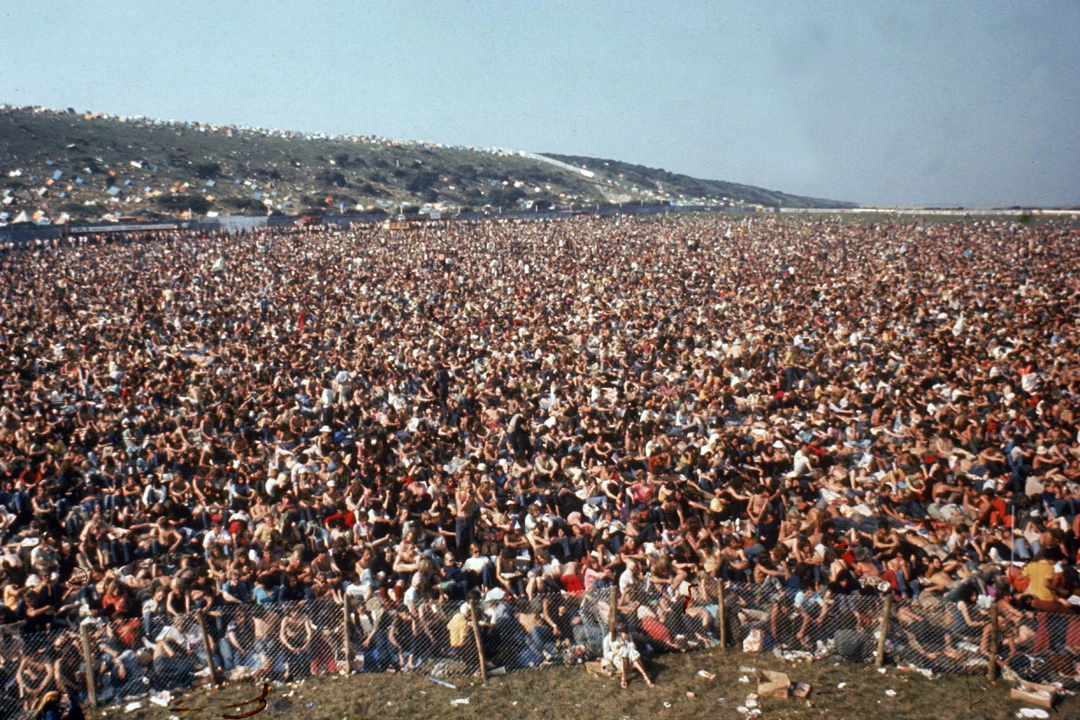
At the time, this was the largest music festival in history. Estimates range from 600,00-700,000 attendees, dwarfing Woodstock. Some of the many notable performers included Taste (Rory Gallagher), Chicago, Procal Harum, Joni Mitchell, Miles Davis, Ten Years After, Jimi Hendrix, The Doors, ELP, The Who, Sly & the Family Stone, Kris Kristofferson, Donovan, The Pentangle, The Moody Blues, Jethro Tull, Joan Baez, Leonard Cohen, Richie Havens, and a brand new group, Supertramp, among many others.

How 1970's Isle of Wight Festival Became 'Britain's Woodstock'

This was the third consecutive year for the festival on the island, and by that time many of the locals who were opposed to the event taking place there had become organized to the extent that the only location made available to festival planners was at Afton Down, with its large hill overlooking the festival ground which created various issues. The festival spawned a number of individual album and concert documentary releases over the years. For the 75th anniversary perhaps I should do a proper write up of the event.

8/31/70: The Beach Boys – Sunflower

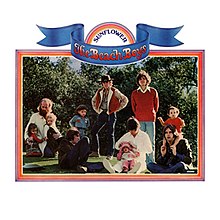
The Beach Boys have been a nice surprise in my music appreciation evolution. There was a time when I assumed all I “needed” was Pet Sounds, Smile Sessions, and a definitive greatest hits compilation for the earlier stuff. I enjoyed those releases for some time before discovering the group hadn’t exactly become passé by the turn of the decade. Well, perhaps they had to the masses, but critically speaking, no. This is a critically acclaimed, very enjoyable album which features songwriting by the entire band, still including Brian Wilson. Its followup a year later, almost to the day, has also aged very well. But for now, yeah, Sunflower.


SunflowerCover.jpg

August 1970: Neil Diamond – Single: Cracklin’ Rosie

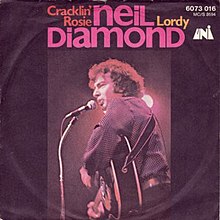
Cracklin’ Rosie was Neil’s first number one song on the Billboard Hot 100. It was also his breakthrough in the U.K., where it reached number three. It was written by Diamond and recorded with the Wrecking Crew. I’ve no problem acknowledging the greatness of Neil Diamond’s earlier work. The man can write a song, and he still sells out arenas. I also like his latter day albums that were produced by Rick Rubin.

Cracklin Rosie.jpg

August 1970: Sugarloaf – Single: Green Eyed Lady

I’ve aways liked this song, particularly the longer version that sometimes reaches the airwaves. It reached number one in Canada and number three in the U.S. It’s a good song to have on while driving down the highway.

Green-Eyed Lady - Sugarloaf.jpg

-Stephen

https://en.wikipedia.org/wiki/Weasels_Ripped_My_Flesh

https://en.wikipedia.org/wiki/Hawkwind_(album)

https://en.wikipedia.org/wiki/Stage_Fright_(album)

https://en.wikipedia.org/wiki/I%27ll_Be_There_(Jackson_5_song)

https://en.wikipedia.org/wiki/Isle_of_Wight_Festival_1970

https://en.wikipedia.org/wiki/Sunflower_(Beach_Boys_album)

https://en.wikipedia.org/wiki/Cracklin%27_Rosie

https://en.wikipedia.org/wiki/Green-Eyed_Lady

August 16 – Clapton’s Solo Debut

8/16/70: Eric Clapton – Eric Clapton

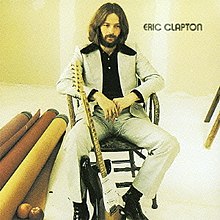
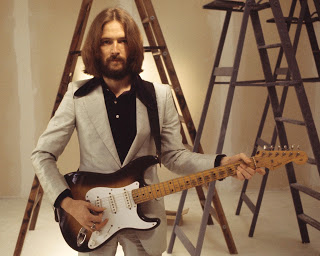
The 1970 album party continues today with our ringleaders, Delaney & Bonnie Bramlett. Eric Clapton, fresh off the road with the American couple, released his self-titled solo debut on this date 50 years ago. His supporting cast of characters was largely made up of the usual suspects from D&B’s travelling band of American crazies, including Leon Russell, Rita Coolidge, Bobby Keys, Jim Price, Carl Radle, Jim Gordon, Bobby Whitlock, plus Stephen Stills. This album, recorded November 1969-March ’70 in London and L.A., seems to fall under the Clapton radar for many casual listeners, as does the rest of his 1970’s catalog not titled Layla and Other Assorted Love Songs or Slowhand. These albums are simultaneously praised and reviled. I’m in the former camp. I feel no need to compare Eric Clapton, 461 Ocean Blvd., Backless or any of his others from that decade with his work with the Yardbirds, John Mayall, or Cream. To me, Eric Clapton is enjoyable beyond its tracks that ended up on the Crossroads box set. Produced by Delaney Bramlett, its songs fuse rock, blues, R&B, gospel, country, and pop elements. Three singles from the album, After Midnight, Blues Power, and Let it Rain, became Clapton classics.

Eric Clapton's Solo Debut LP: A Long Way From Home | Best Classic Bands

If his time and music with Cream and Blind Faith were tension-filled, this album definitely has a looser feel with an emphasis on the songs over extended solos. This was undoubtedly made possible by his supporting cast despite the backdrop of ongoing personal turmoil in Clapton’s world. Additionally, he was under the spell of the perceived idyllic music and overall orbit of The Band who, from afar, could be included in this roving cast of musicians so widely heard 50 years ago across albums by D&B, Joe Cocker, Dave Mason, George Harrison, and Clapton. Rolling Stone’s contemporary review noted that it was Bramlett who encouraged Eric to develop confidence in his singing voice, which quickly becomes apparent after the opening instrumental when his voice bursts out on Bad Boy. It continues on the next track, After Midnight, one of the album’s “tambourine shakers” as RS’s Ed Ward referred to it in his write up. Eric recorded a couple versions of this song in his career. This early one is up-tempo and gospel-inflected, the later 80’s version sounding every bit the slick Michelob Beer commercial jingle it became. I prefer this earlier rendition, but neither tops J.J. Cale’s original in my book. The acoustic Easy Now is a nice interlude from the more raucous material, and I can’t help but wonder if Alex Chilton and Chris Bell derived any inspiration from it in the run up to the first Big Star album. Fan favorites and 1970’s concert staples Blues Power and Bottle of Red Wine have aged well.

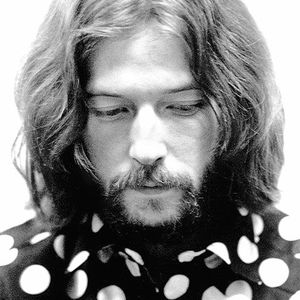
13 ERIC CLAPTON The Early Years 1964 to 1970 by Trans Reality Air | Mixcloud

Lovin’ You Lovin’ Me and I’ve Told You for the Last Time are a bit pedestrian, but are saved by the backing vocals which became an integral element of his early solo albums. Don’t Know Why pulls everything together with nice Stratocaster licks, Bobby Keys and Jim Horn brass, and plenty of gospel backing vocals. My favorite song on the album, and indeed one of my favorite Clapton songs of all time, is Let it Rain. It’s a good one to close out the album as he lets loose with both his guitar and vocals on the album’s longest track. It’s one of those facial contortion-causing guitar solos for those of us who have been known to play along on our air axes. I can appreciate that he was trying to get away from the “Guitar God” label with these songs. He took his songwriting in a new direction while not depriving listeners of his guitar virtuosity. Contemporary critics, while generally positive in their reviews, weren’t ready to let go of the Clapton of Cream and wished for a bit more indulgent guitar work. Possibly the main criticism I would wield against the album is its jacket, which seems to betray the sounds emanating from its grooves. It just screams (mumbles?) “I’m really not into this at all.” But clearly, he was. The best of Eric’s solo years was yet to come, but this was an auspicious beginning.

Tracklist

Side One:

  1. Slunky
  2. Bad Boy
  3. Lonesome and a Long Way from Home
  4. After Midnight
  5. Easy Now
  6. Blues Power

Side Two:

  1. Bottle of Red Wine
  2. Lovin’ You Lovin’ Me
  3. Told You For the Last Time
  4. Don’t Know Why
  5. Let it Rain

-Stephen

Eric Clapton

https://www.allmusic.com/album/eric-clapton-mw0000624369

https://en.wikipedia.org/wiki/Eric_Clapton_(album)

August 7 – The Moody Blues Roll On

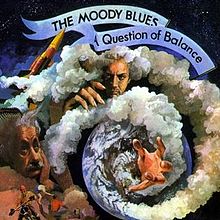
8/7/70: Moody Blues – A Question of Balance

Jumping back across the pond after celebrating Canned Heat a few days ago, today’s feature is the sixth album released by The Moody Blues, A Question of Balance, which was unveiled 50 years ago today.

How Moody Blues Found New Urgency With 'A Question of Balance'

Recorded between January and June of 1970, this release represents a concerted effort to strip down the production present on their previous works for the purpose of being able to perform its songs more effectively live on stage. This is a bit of a misnomer in the greater context of rock music at the time; it’s really only stripped down compared to their own work. A Question of Balance is still quite lush with the Moody’s trademark elements of Mellotron and layered vocals. There wasn’t any question of balance when it came to everyone in this band having their moments to shine, which is one of the really cool features of the Moodys. There’s no drop off in quality when the vocals shift from one member to another, or when the featured instrument switches from guitar to Mellotron or Moog to flute.

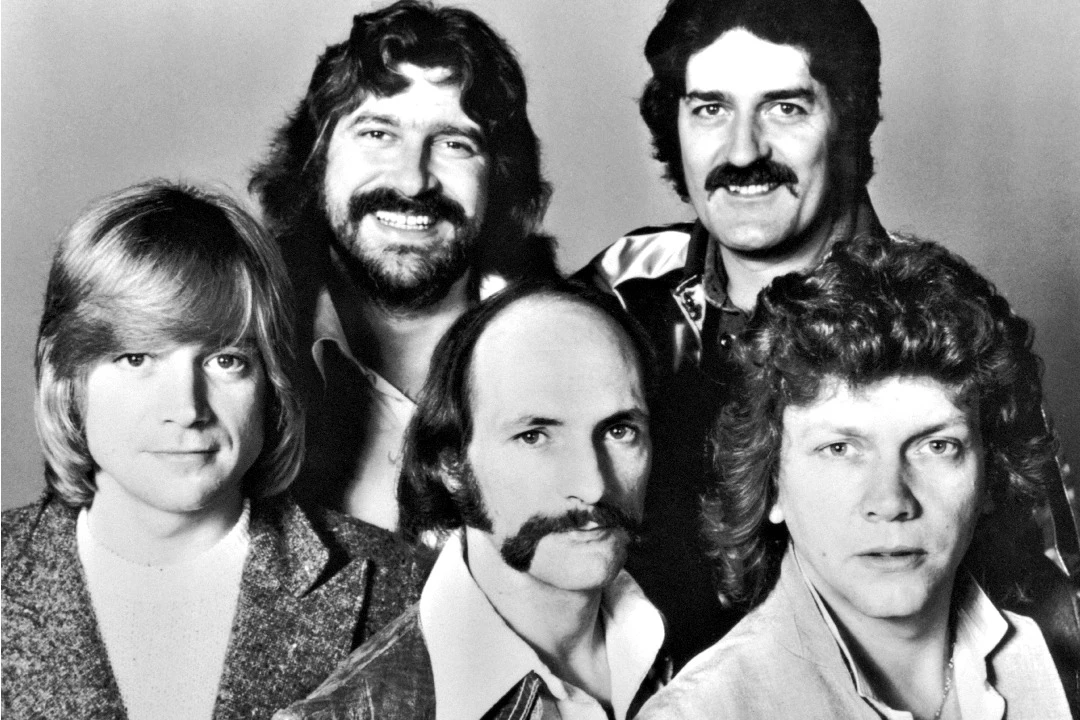
The Moody Blues

Its well known opening track, Question, was recorded months earlier. Coincidentally or not, if any song sounds a bit out of place on this release, stylistsically speaking, it’s this one. Its Vietnam-era themed lyrics, however, were right on time. Album title implications aside, it might’ve fit better as the side two opener or as the album’s closer. Yet Justin Hayward has said that the album flowed from that signature opener, so what do I know? As a single, it reached No. 2 in the U.K. and 21 in the U.S. The album received middling grades by some reviewers, but I listen to it within the context of their seven album stretch beginning with 1967’s Days of Future Passed and ending with Seventh Sojourn in 1972. If that string of releases were one song, A Question of Balance is part of its solid bridge in the middle. I can’t think of another band I think of in that frame of reference.

moody-blues-uk-group-in-1970-A6707T.jpg

My favorite tracks on this release include Mike Pinder’s How Is It (We Are Here), which has a subtle-yet-distorted guitar in the midst of its Mellotron-drenched middle. Ray Thomas’s And the Tide Rushes In features beautiful finger picked guitar work. It’s Up to You is perhaps the most straight-forward rock song on the album, and in a way is a nice changeup in the middle of the album. Dawning is the Day highlights Thomas’s flute among acoustic guitars and Justin Hayward’s tasty mandolin, and the closer, The Balance, has Mike Pinder’s spoken-word harkening back to Days of Future Passed. As with The Moody Blues’ other albums from this era, I enjoy A Question of Balance most of all as whole work. Any nitpicks aside, this album is, as John Mendelsohn referred to it in his Rolling Stone review, unexaggerably beautiful.

Tracklist

Side One:

  1. Question
  2. How Is It (We Are Here)
  3. And the Tide Rushes In
  4. Don’t You Feel Small
  5. Tortoise and the Hare

Side Two:

  1. It’s Up to You
  2. Minstrel’s Song
  3. Dawning is the Day
  4. Melancholy Man
  5. The Balance

-Stephen

https://www.allmusic.com/album/a-question-of-balance-mw0000046519

https://ultimateclassicrock.com/moody-blues-question-of-balance/

http://web.archive.org/web/20080606000834/http://www.rollingstone.com/artists/themoodyblues/albums/album/184173/review/6068352/a_question_of_balance

https://en.wikipedia.org/wiki/A_Question_of_Balance

August 3 – The End of an Era for Canned Heat

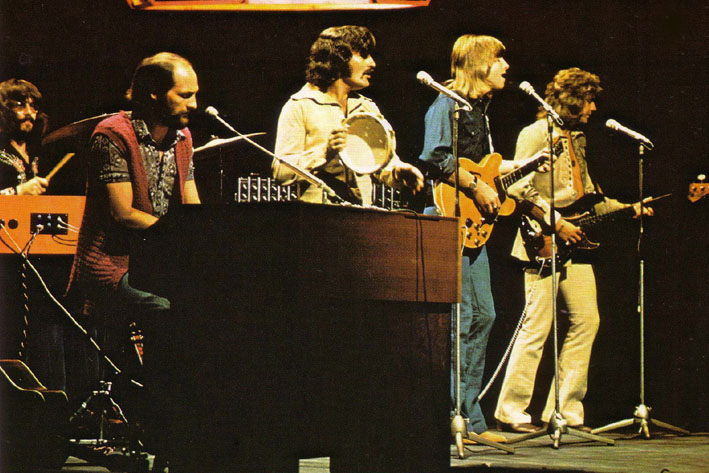
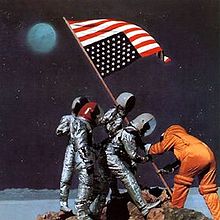
8/3/70: Canned Heat – Future Blues

For two or three years around the turn of the 1970’s, a handful of artists stepped away from the trend of heavy, self-important music to record albums that get the listener up off the couch and into boogie mode. A couple days ago we turned the spotlight on Joe Cocker’s Mad Dogs & Englishmen, which I described as loose and sounding like a party taking place on stage. That album had counterparts in the blues rock idiom at the time such as Delaney & Bonnie: On Tour with Eric Clapton and Canned Heat’s Future Blues, the latter released 50 years ago today.

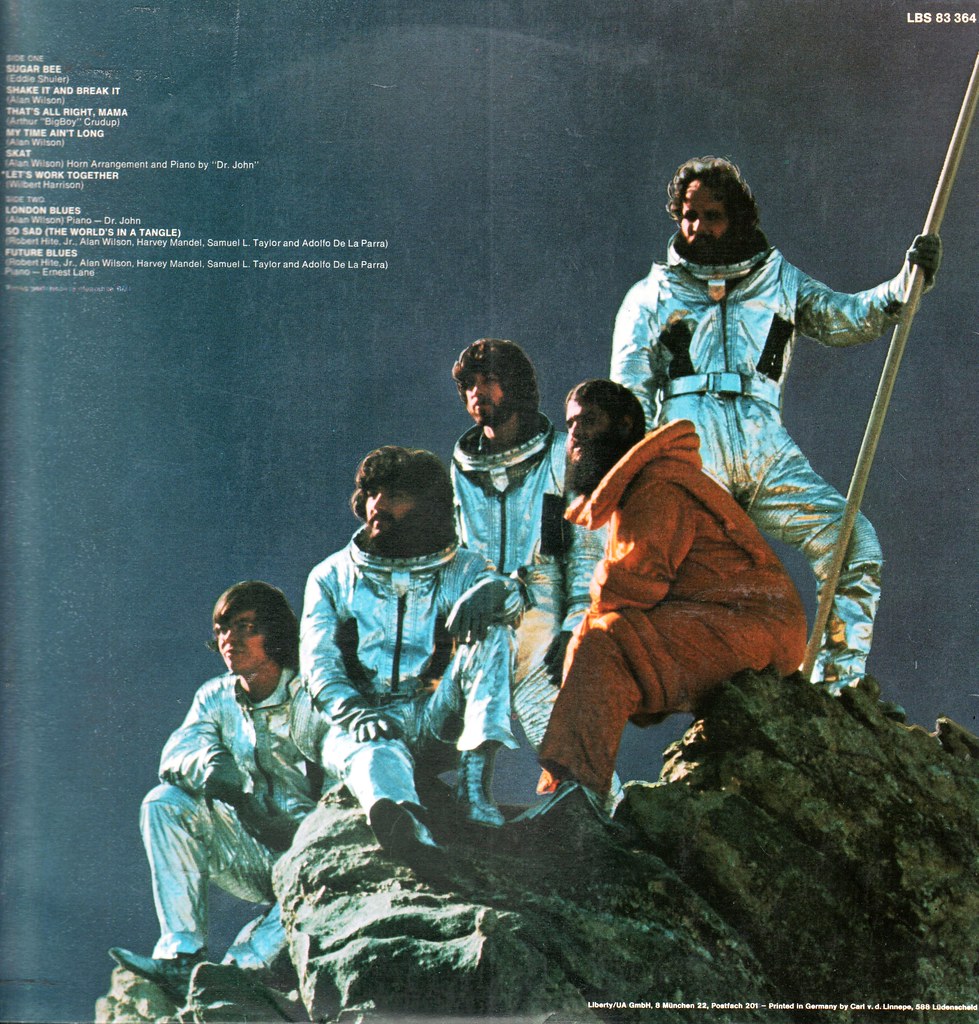
6 - Canned Heat - Future Blues - D - 1970--- | Klaus Hiltscher | Flickr

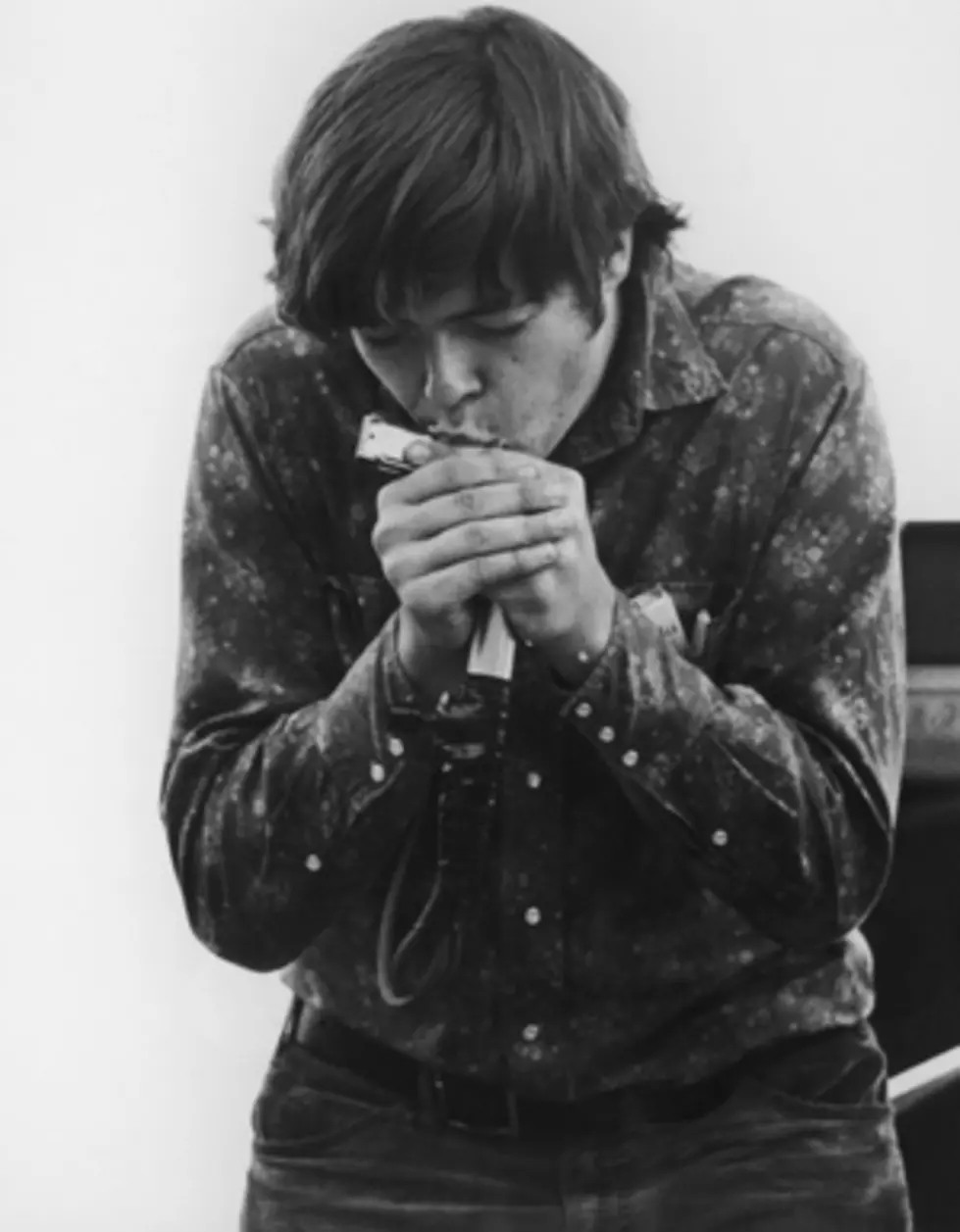
Future Blues was the band’s fifth album, and the last to feature most of the classic lineup. Larry Taylor and Harvey Mandel left the group after its recording and just before its release. Co-founder Alan “Blind Owl” Wilson passed away a month after its release, an unfortunate founding member of the 27 Club.

Alan Wilson of Canned Heat - Rockers Who Died at Age 27

This is widely considered to be one of their best albums. Future Blues was to critic Robert Christgau what Life Cereal was to Mikey… The band eschewed the extended jams they were also known for, sticking with more concise tracks mostly under three minutes long. The whole thing clocks in under 36 minutes as originally released. Future Blues is also noted for its stylistic diversity, from 1940’s jump blues on Skat (with horns arranged by Dr. John), to the darker London Blues (featuring Dr. John on piano) and heavy guitar of its most well known track, Let’s Work Together. This is not to say it’s a dark album, not by a long shot.

Canned Heat - Titel & Alben : Napster

Favorite tracks of mine include the straight forward blues of Sugar Bee and So Sad, both sung by Bob Hite, Charlie Patton’s Shake It and Break It sung by the Blind Owl, Arthur Crudup’s That’s All Right, Mama with Hite’s gravely vocal, as well as Wilson’s rolling but eerily prophetic My Time Ain’t Long and John Lee Hooker-influenced London Blues. When I think of American bands from that time, the “Woodstock Era,” Canned heat is one of the first to come to mind. Their combination of blues n’ boogie was unmatched to my ears. The vocal styles of Bob Hite and Alan Wilson couldn’t have been much more different, yet it was unquestionably Canned Heat regardless of who sang or how long the track was.

Tracklist

Side One:

  1. Sugar Bee
  2. Shake it and Break it
  3. That’s All Right (Mama)
  4. My Time Ain’t Long
  5. Skat
  6. Let’s Work Together

Side Two:

  1. London Blues
  2. So Sad (The World’s in a Tangle)
  3. Future Blues

-Stephen

https://www.allmusic.com/album/release/future-blues-mr0000098435

https://en.wikipedia.org/wiki/Future_Blues_(Canned_Heat_album)

August 1970 – Mad Dogs on the Loose

August 1970: Joe Cocker – Mad Dogs & Englishmen

One of the many unique elements of the late 60’s/early 70’s music scene was emergence of artists who established their solo careers as interpreters of others’ songs. Even more interestingly to me, many of these weren’t fresh takes on 20-30 year old tunes, but contemporary ones. Richie Havens and Rod Stewart come to mind, as does Joe Cocker. The latter released his loose and rollicking live album Mad Dogs & Englishmen from his tour of the same name 50 years ago this month.

File:Joe cocker 1970.JPG - Wikimedia Commons

The tour and album were put together on short notice to meet a contractual obligation, with Cocker assembling his band very quickly and Leon Russell serving as musical director along with his duties on guitar, piano, and vocals. The band was another mix ‘n’ match grouping of usual suspects who appeared in those days on different projects with musicians such as Delaney & Bonnie, George Harrison, and Eric Clapton.  Besides Russell they included Don Preston (guitar), Chris Stainton (keyboards), Carl Radle (bass), Jims Gordon & Keltner (drums), Jim Horn, Bobby Keys, and Jim Price (brass), Rita Coolidge (of course) and a large cast of others on backing vocals.

Sam Recommends: “The Letter” by Joe Cocker//Leon Russell | by Samantha  Lamph | Memoir Mixtapes | Medium

Mad Dogs & Englishmen captures the seat of the pants live music scene of 1970 perfectly. It sounds like a party taking place on stage. It also highlights how crucial Leon Russell’s contributions were in those years. The album is comprised of covers of well known contemporary rock and soul tracks, along with some written by Russell. Favorites of mine from the original release include The Letter, which was recorded during tour rehearsals and released as a single before ultimately finding its way on the album, Cry Me a River, Dave Mason’s Feelin’ Alright, Ashford, Simpson & Armstead’s Let’s Go Get Stoned, Lennon/McCartney’s She Came in Through the Bathroom Window, and Leon’s Delta Lady. A deluxe edition was released in 2005 with about an hour’s worth of additional music, and a year later a six-disc box with four full Fillmore East shows appeared. A concert film from the tour was released in March of 1971.

Tracklist

Side One:

  1. Intro
  2. Honkey Tonk Women
  3. Intro
  4. Sticks and Stones
  5. Cry Me a River
  6. Bird on the Wire

Side Two:

  1. Feelin’ Alright
  2. Superstar (Rita Coolidge)
  3. Intro
  4. Let’s Go Get Stoned

Side Three:

  1. Blue Medley – a) I’ll Drown in My Own Tears b) When Something is Wrong with My Baby c) I’ve Been Loving You Too Long
  2. Intro
  3. Girl from the North Country
  4. Give Peace a Chance

Side Four:

  1. Intro
  2. She Came in Through the Bathroom Window
  3. Space Captain
  4. The Letter
  5. Delta Lady

-Stephen

https://www.allmusic.com/album/mad-dogs-englishmen-mw0000679117

https://ultimateclassicrock.com/joe-cocker-mad-dogs-englishmen/

https://en.wikipedia.org/wiki/Mad_Dogs_%26_Englishmen_(album)


July Music Wrap Up, Pt. 2

Let’s wrap up this, uh, wrap up of July 1970 tunes. Pt. 2 is a little more singles-centric.

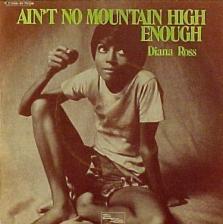
7/16/70: Diana Ross – Single: Ain’t No Mountain High Enough

I think just about any Motown artist could’ve done a successful rendition of this classic Nickolas Ashford & Valerie Simpson-written song. A few of them certainly did. This is the third version behind Marvin Gaye & Tammi Terrell’s original which was followed by the version recorded by Diana and the Supremes with the Temptations. Diana released her solo take 50 years ago this month, and it reached #1 on both the pop and R&B charts. She earned a Grammy nomination for Best Female Pop Vocal Performance.

July 1970: Humble Pie – Humble Pie

Humble Pie released their third album overall and their first on A&M this month in 1970. It’s considered a transition album toward their heavier sound, and it received a middling grade at the time. I don’t know, Marriott, Frampton, Ridley, and Shirley were just a damn solid band to my ears.

Humblepiealbumcover.jpg

July 1970: Funkadelic – Free Your Mind, Your Ass Will Follow

See my comments on Parliament’s debut in my July Music Wrap Up, Pt. 1.

Funkadelic free your mind g.gif

July 1970: Grand Funk Railroad – Single: I’m Your Captain (Closer to Home)

One of those classic rock radio staples that seems on the verge of being forever squeezed out of ever-shrinking playlists these days in favor of more newly christened “classic” songs such as Pour Some Sugar on Me. Ugh.

I'm Your Captain (Closer to Home) - Grand Funk Railroad.jpg

July 1970: James Brown – Single: Get Up (I Feel Like Being a) Sex Machine

Brown released this as a two-part single 50 years ago this month. What can be said, other than he truly was the godfather of soul. I heard a funny interview with Bootsy Collins recently where he was asked if it was true that James fired him for taking acid trips during performances. He responded in the affirmative that while people might’ve been shakin’ their moneymakers in the aisles, he was soaring across the galaxy while somehow playing these funky bass licks.

GetUp(IFeelLikeBeingA)SexMachine.jpg

July 1970: Smokey Robinson & the Miracles – Single: Tears of a Clown

For some reason I’ve always thought of the R&B and soul songs mentioned in this post as being from a few years earlier. This classic from Smokey and the Miracles is no different – it sounds like a companion track to The Tracks of My Tears dating to 1965. It’s irrelevant, but a realization I just had. It goes to show how cool the variety of music overall was in 1970. It wouldn’t be long before Stevie, Marvin and others took soul and R&B in a more serious direction.

Tearsofaclown45.jpg

-Stephen

https://en.wikipedia.org/wiki/Humble_Pie_(album)

https://en.wikipedia.org/wiki/Free_Your_Mind…_and_Your_Ass_Will_Follow

https://en.wikipedia.org/wiki/I%27m_Your_Captain_(Closer_to_Home)

https://en.wikipedia.org/wiki/Get_Up_(I_Feel_Like_Being_a)_Sex_Machine

https://en.wikipedia.org/wiki/The_Tears_of_a_Clown