June 3 – Soft Machine’s Third & Musical Comfort Zones

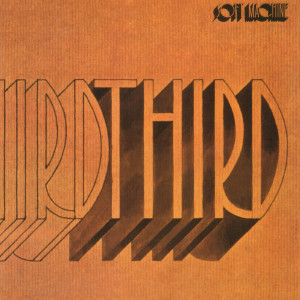
6/3/70: Soft Machine – Third

Today we’ve reached the 50th anniversary of the release of one of those albums. I can honestly say I enjoy Soft Machine’s four composition double album Third, but for the life of me I don’t know how to write specifically about it. That tends to be the case for me with prog. If I haven’t made it clear, I’m not a musician, trained or otherwise. The more technical the music, the more difficult it is for me to express myself. If I tried to offer a serious critique of an album such as Third beyond basic perceptions, likes/dislikes, it would quickly become obvious that I’m out of my depth by fans who have known this album for many years and are knowledgeable about this music – underground, prog, the Canterbury scene, jazz, fusion, etc. – from a technical standpoint. But this is such a unique and visionary record that I can’t just relegate it to my end of the month odds ‘n ends roundup. So, what can I say about it? I think what I can express is an appreciation for the overall artistic vision, effort and musicianship itself that went into creating it.

Soft Machine - Wikipedia

It’s an admiration that keeps me veering out of my comfort zone and onto different musical rabbit trails and listening with fascination for what goes into creating. That “what” is something I can only understand as beginning as a seed in someone’s mind and/or heart and expanding from there. Sometimes that seed is in the form of a dream, such as what began in McCartney’s brain as Scrambled Eggs and ended up as Yesterday. Other times it’s an idea an artist walks around with for years after the initial inspiration. Sometimes the end result misses the mark, subjectively speaking, other times it works perfectly – even if only to the artist who created it. For me, it can be the songwriting gifts of Lennon, McCartney, and Harrison, or the highly trained musicianship of bands who met while studying music in college, such as Chicago or Dream Theater. It’s present in the sometimes chaotic world of Zappa and the short-lived brilliance of Syd Barrett, and even though it has yet to click with me, it’s all over Captain Beefheart’s Trout Mask Replica. Don Van Vliet actually thought through every bit of that album and almost drove his band to insanity trying get it on tape precisely according to what he heard in his head. It’s also in what seems like the simplest country blues from the Mississippi Delta. And on and on.

Captain Beefheart - Live In Kansas City - 1974 - Past Daily ...

I took the plunge with Third a few short years ago, and I like it more and more with each listen. Having it on as housecleaning music or while sitting on the patio doesn’t work for me. I have to set aside time to sit down with headphones on and listen. The instrumentation and production are complex and highly experimental. For example, the opening track, Facelift, consists of sections of different live performances, sometimes sped up, sometimes slowed down. It’s noisy and distorted in places before calming into a flute solo by Lyn Dobson, and ultimately ending in a collage of backwards loops. The second track, Slightly All the Time, is actually broken down into three separate instrumental sections. The third track, Moon in June, is the one I still struggle through due to the seemingly halfhearted vocal (the only vocal on the entire album) that lasts the first nine minutes. I’m just not sure what the point of it is. Perhaps I  should listen to the wispy lyrics a little closer. The song does contain some really cool bass and violin work, otherwise the first half sounds like a studio run-through prior to an actual recording before it really takes off for the next ten minutes.

Luna Kafé e-zine - Soft Machine: Moon In June

The final track, Out-Bloody-Rageous, is my favorite along with Facelift.  It goes in directions that remind me of the Grateful Dead’s Drums/Space segments. I settle into listening, get into the groove of it all, then without realizing when it happened they’d moved into something very different. But it’s still the same track, just ten minutes later. The final 3:20 reminds me of  Pink Floyd’s On the Run from Dark Side of the Moon, still almost three years in the future. Despite the occasional chaos, the overall interplay among band members Mike Ratledge (piano, organ), Hugh Hopper (bass), Robert Wyatt (drums), and Elton Dean (saxophone) – from whom Reg Dwight derived half his stage name – is remarkably balanced. There’s a lot of room in the four tracks for them to spread out.

ロスジェネたちの音楽夜話 第84話 Soft Machine 『Live In 1970 ...

It would be easy to say there are elements on Third I’ve heard on early King Crimson albums, but it’s true. Coltrane’s A Love Supreme as well. But isn’t this what we do when trying to become familiar with or understand something new to us? We look to other works to try and make sense of it. Any fans of Soft Machine, I’d appreciate suggestions on where to go next with this band. I’ll have more to say about musical comfort zones in tomorrow’s post. Thanks for reading.

Tracklist

Side One: Facelift

Side Two: Slightly All the Time

Side Three: Moon in June

Side Four: Out-Bloody-Rageous

-Stephen

Porcupine Tree, ‘Fear of a Blank Planet’ (2007)

https://www.headheritage.co.uk/unsung/review/635/

https://en.wikipedia.org/wiki/Third_(Soft_Machine_album)#Original_edition


March 1970 Classics from CSNY and Delaney & Bonnie

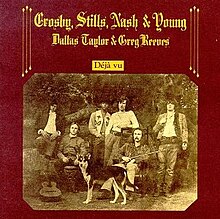
3/11/70: CSNY – Déjà Vu

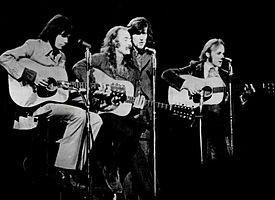
Continuing with my makeup homework, this album has been a fan favorite since the day of its release 50 years ago. There was a great deal of anticipation for the group’s followup album after the Crosby, Stills & Nash release the year before earned the group a Grammy for Best New Artist. Neil Young’s addition to the group only increased expectations. Certified gold 14 days after its release, Déjà Vu eventually attained septuple platinum status.

Neil Young News: NO MORE SECOND BILLING: CSN&Y Bass Player Greg ...

All four produced it, but Neil is only on half the tracks. His addition to the group might be looked at as a blessing and a curse. There’s no doubt he was, and still is, a prolific songwriter. But things were, and perhaps always have been with this quartet, a little off. Nash has stated Young recorded his songs alone in L.A., then brought them to the band in San Francisco for their contributions. Additionally, there was a dark undercurrent at the time: Nash and Joni Mitchell had split, as had Stills and Judy Collins. Much worse, Crosby was mourning the loss of his girlfriend Christine Hinton, who had recently been killed in a car accident. The stress of their personal lives spilled over into the studio, and as a result of all of these factors it took six months to record the album.

Why It Mattered: Crosby, Stills, Nash & Young's 'Déjà Vu'

Though I think it’s a great album, I can feel that separation between Neil and the others when listening to it. Helpless and the Country Girl suite sound like they should be on solo Neil records despite the harmonies from the other three, much like Neil’s contributions to the third Buffalo Springfield album were basically solo efforts. Déjà Vu spawned three Top 40 singles: Woodstock, Teach Your Children, and Our House. While I don’t dislike these tracks, they are probably my least favorites. I’m partial to Stills’ 4+20 and Carry On, Neil’s Helpless and Country Girl, and Crosby’s title track. All four would take advantage of this album’s commercial success by following it with fantastic solo albums very soon after.

Last fall I visited a friend in L.A., and we took a drive up into Laurel Canyon so I could play shameless tourist. Laurel Canyon Blvd. has to be one of the more dangerous and busy roads I’ve been on, and by the time we pulled into what was at one time Joni Mitchell’s driveway I felt so conspicuous that I jumped out of the car and quickly had my friend snap a picture before we split in a bit of a rush. The result was a photo of me standing in front of the gate, but without the house, a.k.a. Our House, in the frame. A palm to forehead moment.

Crosby, Stills, Nash & Young - Deja Vu.jpg


March 1970: Delaney & Bonnie and Friends – On Tour with Eric Clapton

This live album encapsulates so much of what is, to me, good about music from 1970. It just sounds like everybody on stage is enjoying themselves to the hilt, which is why even George Harrison joined the tour for a few gigs. (His performances, credited under the pseudonym “L’Angelo Misterioso,” are available on the super-deluxe-crazy-expanded-four disc release from 2010 which contains multiple shows.) The album and tour may have received a boost from Clapton’s association with it, but the rock ‘n boogie ‘n Southern gospel blues on this recording stands on its own merits. It’s also quite amazing to think that this coming together of various musicians spawned much of Harrison’s All Things Must Pass as well as Clapton’s Derek and the Dominos lineup on Layla and Other Assorted Love Songs. Not to mention the cross-pollination with Joe Cocker’s Mad Dogs & Englishmen tour and Dave Mason’s solo debut, Alone Together.

Dbtour1970.jpg

Fun trivia: The photo used for the album cover is a Barry Feinstein pic from Dylan’s ’66 U.K. tour. Those are Bob’s feet sticking out the window of the Rolls-Royce.

Random fact that has nothing to do with this post: I’ve got music on YouTube playing as I write, letting it go to whatever is “Up next.” I had no idea the full-length version of Rare Earth’s Get Ready is over 21 minutes long. Or that there even was a full-length version other than what I’ve heard on the radio all my life.

-Stephen

https://en.wikipedia.org/wiki/D%C3%A9j%C3%A0_Vu_(Crosby,_Stills,_Nash_%26_Young_album)

https://en.wikipedia.org/wiki/Crosby,_Stills_%26_Nash_(album)

https://en.wikipedia.org/wiki/On_Tour_with_Eric_Clapton

June 1970 – CSNY and the Last Great Protest Song (s)(?)

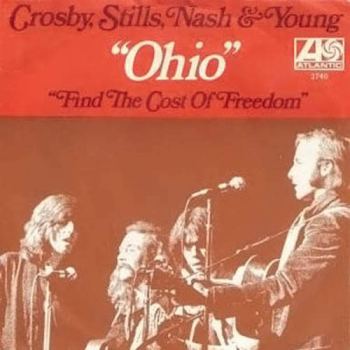
In the wake of the killings at Kent State University on May 4, 1970, Neil Young, as the story goes, walked into the woods and spilled out the lyrics and music to Ohio after seeing photos of the tragedy in Life magazine. CSNY took it into the studio and recorded it in just a few takes on May 21, and Atlantic rush-released it shortly thereafter in June, though I’m unable to locate the exact release date.

How LIFE Magazine Covered the Kent State Shootings in 1970

Amazingly to me, this could’ve actually been considered a double-A sided single, and if Side A hadn’t been Ohio, then its mournful B side, Stephen Stills’s Find the Cost of Freedom, might’ve been in the running for greatest protest song ever. It’s certainly one of the most powerful in my book. As I write this I’m thinking how silly it is to put it in terms of some sort of ranking since that’s not what it’s all about anyway. I guess that’s just what we do in blogs.

Ohio' | Top 10 Protest Songs | TIME.com

There would be more protest songs down the line, including another notable one that same month. Neil Young himself would pen a couple more angry classics. But what is the role of the protest song in 2020? I’m not about to say it doesn’t exist anymore when I’m utterly clueless about most of what’s current, especially hip-hop. I suppose I’m wondering if the topical song genre is able to traverse the various societal divides and strike a collective nerve anymore. Did it ever? Or, am I simply projecting what I think it was like to hear Blowin’ in the Wind in ’63 or Ohio/Find the Cost of Freedom in ’70? Considering the awful state of affairs in the world today, not to mention the protests taking place at this moment for different reasons involving folks from all walks of life, what will be considered the “soundtrack of the early 21st century” 50 years from now?

-Stephen

https://en.wikipedia.org/wiki/Ohio_(Crosby,_Stills,_Nash_%26_Young_song)

https://ultimateclassicrock.com/csny-ohio/

Marching Backward to the Music – Leon, Jimi, Ginger, and Past-Due Homework

I was not frequently absent from school when I was a child. However, when I did miss school because of an illness, I tended to make it count. As in three or four days in a row. Not that I was always sick the entire time. I just didn’t want to go back once I’d settled into a cozy routine of morning cartoons and the afternoon B-movie on the independent channel before the usual after school lineup of reruns. There was a price to pay, however. By the third day or so my mom would return from work having visited my teacher at some point during the day and bestow upon me the dreaded stack of makeup schoolwork. What does that little anecdote have to do with my blog?

Time For Homework. Unhappy Nice Serious Boy Sitting At The Desk ...

Well, I’ve had some spells of absenteeism from this hobby over the past year. But unlike grade school, it really bothers me looking back at the album release 50th anniversaries I’ve missed. It’s as if I’ve disrespected these artists by not celebrating their albums properly. Indeed, it gets a little strange between my ears at times. Anyhoo, looking back at my notes from March and April there are a few albums I’d like to belatedly acknowledge as we move forward over the next month or two (and does anyone really know or care what month it is anymore?). Some titles I’ll address individually, others in clusters. Starting now.

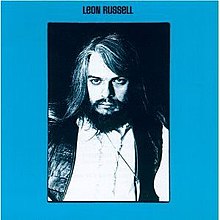
3/23/70 (April 24 U.K.): Leon Russell – Leon Russell

Leon’s solo debut was a classic out of the gate. It contains the oft-covered A Song for You, as well as Delta Lady. He also had a little help on the album from a cast of A-listers including Harrison, Starr, Jagger, Clapton, and too many others to list (see wiki link at the bottom). Leon Russell and the following two albums in this post all represent, in my mind, a shift in rock music around this time whereby artists were breaking free of stylistic constraints. Leon was a prolific songwriter and gifted musician, and like his friends Delaney and Bonnie he blended southern gospel elements, blues, and rock into a unique sound that his English musician friends fit right into.

LeonRussellAlbum.jpg

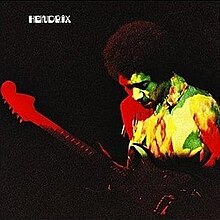
3/25/70: Jimi Hendrix – Band of Gypsies

Like many of my generation (X) who became Jimi Hendrix fans, it was due to his famous three studio albums augmented by whatever film we could view of the man, either in the Woodstock and Monterey documentaries or on VH1 (remember when VH1 was presented as sort of an MTV for Baby Boomers?). When I explored Jimi’s other commercially available music at the time (early 90’s) it was obvious he had been broadening his musical horizons before his death. Cry of Love and Band of Gypsies were in my collection, but they weren’t played often. It took a few more years and perhaps a little more musical maturity on my part to “get it.” Now I enjoy First Rays of the New Rising Sun (comprising most of the first three posthumous Hendrix releases) and the funk/R&B fused rock of Band of Gypsies as much as any of the original three. If only he’d lived long enough to make that album with Miles Davis.

A photo of Jimi Hendrix playing guitar

3/30/70: Ginger Baker’s Air Force – Ginger Baker’s Air Force

And now for something…completely different. On January 15, 1970, Ginger Baker assembled an eclectic group of musicians for a sold-out performance of Afro/jazz/rock fusion at the Royal Albert Hall. Band members included early Baker influences Graham Bond and Phil Seamen, plus Winwood, Gretch, and Wood of Traffic, post-Moody Blues/pre-Wings Denny Laine, and Remi Kabaka, who would also add flavors of Afro-fusion to music by other British music luminaries of the era. Critics, of course, hated the subsequent album, Ginger Baker’s Air Force. They aren’t too fond of albums produced by drummers, as they tend to be heavily, uh, drummer-centric. I find it to be an interesting and listenable album. Unfortunately I’m limited to listens on YouTube, as the CD issue readily available for purchase these days is a vinyl rip, and a poor one at that. (A better quality release from ’98 containing both Air Force albums and a solo Baker album currently goes for $144 on Amazon – no thanks.) One of these days I’ll have my turntable set up again and I’ll find a used vinyl copy. One of these days.

Ginger Baker's Air Force-album cover.jpg

-Stephen

https://en.wikipedia.org/wiki/Leon_Russell_(album)

https://en.wikipedia.org/wiki/Band_of_Gypsys

https://en.wikipedia.org/wiki/Ginger_Baker%27s_Air_Force_(album)

https://en.wikipedia.org/wiki/Ginger_Baker%27s_Air_Force


May 1970 – Music Release Wrap-Up

It’s been quite a while since I’ve written one of these “odd ‘n ends,” end of the month posts. As usual it’s a mixed bag.

May: Country Joe and the Fish – CJ Fish

Country Joe and the Fish released their fifth and final album until 1977’s Reunion in May of 1970. I own this one and the debut, and once had a solo McDonald album titled Superstitious Blues (1991) which I liked but for some reason is no longer in my collection. There are days when that mid-late 60’s San Francisco sound and vibe hits the spot, such as last weekend when C.J. & the Fish’s first album, Electric Music for the Mind and Body, fit in nicely between the Grateful Dead and the Jefferson Airplane.

CJ Fish - Wikipedia

May: Hot Tuna – Hot Tuna

When I reach these end of the month roundups there’s inevitably at least one band and/or album I feel I should know much better but don’t, hence its relegation to this post. Hot Tuna is definitely one of those bands on my “need to explore” list. I’m certainly familiar with Jorma Kaukonen and Jack Casady from their time with the Airplane, and I even sat about ten feet away from Jorma at his solo show a couple of years ago. But as much as I enjoyed his performance, the only thing I could tell you about that show today is that he didn’t play Embryonic Journey. That, and some guy right in front of Jorma was wearing a Dave Mason t-shirt. Fans are so silly. Anyway, Hot Tuna released their debut this month 50 years ago. It’s a live performance in Berkeley from September ’69.

HotTunaCD.jpg

5/14/70: The Carpenters – Single: (They Long to Be) Close to You

That’s right, I’m including the Carpenters. There’s no Carpenters music in my collection. It’s not my thing. It’s beyond fluffy, soft MOR music. Karen looked ridiculous behind a drum kit. Et cetera. However, there is no denying this Burt Bacharach/Hal David penned track was a smash hit, topping the Billboard Hot 100 and Adult Contemporary charts. And just between you and me, I freely admit that Karen’s silky smooth vocals were in a different league. If that’s your kind of thing. Seriously though, this inclusion is a nod to my big sis. This is one of those “upstairs songs,” a favorite she often played on her aqua-green record player when we were growing up.

They Long to Be Close to You by The Carpenters 7-inch US vinyl single.jpg

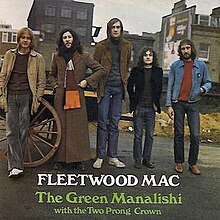
5/15/70: Fleetwood Mac – Single: The Green Manalishi (with the Two Prong Crown)

Now we’re talkin’. While I prefer live versions of this song, such as the epic 12 minute jam on the Live in Boston, any version will do. The Green Manalishi was Peter Green’s final song with Fleetwood Mac.

The Green Manalishi (Fleetwood Mac single - cover art).jpg

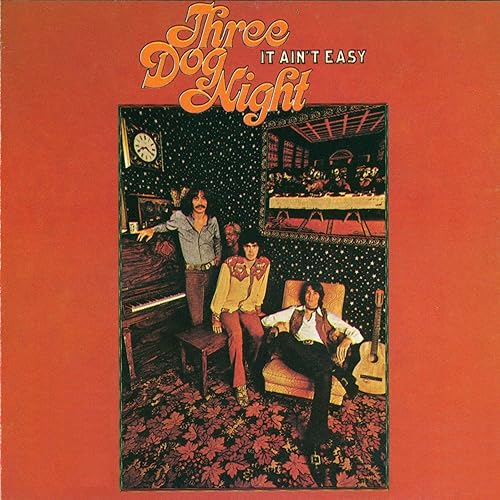
May: Three Dog Night – Single: Mama Told Me Not to Come

One of Randy Newman’s hit songs, he originally wrote it for Eric Burdon who recorded it in 1967. Both Newman and Three Dog Night released versions in 1970. The latter’s version reached number one on the Billboard Hot 100, and was certified gold in July 1970.

Mama Told Me (Not To Come) (Single Version) by Three Dog Night on ...

May: Eric Burdon and War – Single: Spill the Wine

Spill the Wine was the first and only hit by Eric Burdon and War, and I’ve always liked it. As noted by our old friend Wiki, the song was inspired by an accident in which keyboardist Lonnie Jordan spilled wine on a mixing board. The song peaked at number three on the Billboard Hot 100.

Spill the Wine - Eric Burdon & War.jpg

-Stephen

https://en.wikipedia.org/wiki/CJ_Fish

https://en.wikipedia.org/wiki/Hot_Tuna_(album)

https://en.wikipedia.org/wiki/(They_Long_to_Be)_Close_to_You

https://en.wikipedia.org/wiki/The_Green_Manalishi_(With_the_Two_Prong_Crown)

https://en.wikipedia.org/wiki/Mama_Told_Me_Not_to_Come

https://en.wikipedia.org/wiki/Spill_the_Wine

May 1970, Pt. 4 – The Who and the Definitive Live Rock Album

5/23/70: The Who – Live at Leeds

Inching toward summer 1970, The Who released what is still widely considered the greatest live rock album of all time (with all due respect to fans of live albums by Humble Pie, the Stones, Frampton, Cheap Chick, Deep Purple, and others), and one of the best rock albums, period. The band recorded several shows on tour supporting 1969’s Tommy, but 2,100 capacity Leeds University Refectory and Hull City Hall were booked in February specifically to record a live album.

The Who - Live At Leeds [LP] - Amazon.com Music

Live at Leeds was originally planned as a double album to include the Tommy set, but of the 33 songs performed in the show, Pete Townshend decided on a single, six-song release, with snippets of See Me, Feel Me and Sparks from the 1969 rock opera heard in the stretched out version of My Generation at the beginning of side two. Clocking in at just over 37 minutes as originally released, Live at Leeds captures the frenetic energy and violence of The Who’s live performances arguably at the band’s live peak.

The Vinyl Issue: The Who's Live At Leeds | Louder

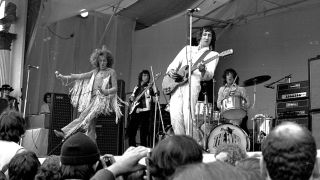
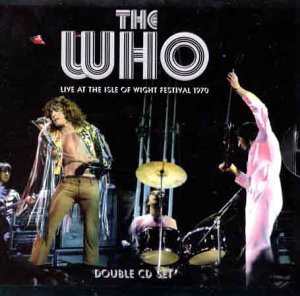
Over the course of four reissues in the following 40 years, Leeds went on to include the Tommy set, the complete Hull show from the following night, and finally the entire Leeds show in correct running order for the first time. I actually owned the Live at the Isle of Wight Festival 1970 release from 1996 before I ever gave a serious listen to Leeds, and without wading into the audiophile muck of production pros and cons that largely don’t interest me, I don’t feel there’s too much difference in the feel of the album aside from the fact that the Isle of Wight release contains Tommy.

Live at the Isle of Wight Festival 1970 (The Who album) - Wikipedia

The trend over the years of adding previously unreleased material, live or studio, when reissuing albums is something that has been interesting, exciting, and maddening. I’ve reached the point where expanded reissues are no longer automatic must haves. I’ve come around on originals prior to the add-ons. Live at Leeds in its original form is great for those occasions when you want to crank up some live Who to get yer ya-ya’s out but don’t necessarily want to listen to Tommy, which has its time and place for me.

What’s your favorite live album of all time of any genre? Do you value expanded reissues?

Tracklist

Side A:

  1. Young Man Blues
  2. Substitute
  3. Summertime Blues
  4. Shakin’ All Over

Side B:

  1. My Generation
  2. Magic Bus

-Stephen

https://en.wikipedia.org/wiki/Live_at_Leeds

https://en.wikipedia.org/wiki/Live_at_the_Isle_of_Wight_Festival_1970_(The_Who_album)

May 1970, Pt. 3 – King Crimson’s Followup

5/15/70: King Crimson – In the Wake of Poseidon

King Crimson released their second album on the 15th of May, seven months after their striking debut, In the Court of the Crimson King. Most of the band, including Greg Lake, had departed prior to recording the followup, but returned on a session basis for this album. The similarities to In the Court are clear: sometimes erratic jazz fusion, rock, intricate guitar playing, popping drums, and periods of intermittent ethereal instrumentals. And lots of that signature Mellotron. Unsurprisingly, as with many contemporary reviews of bands not called Beatles or Stones, critics were cool to this album. Also not a shock, retrospective reviews consider it a masterpiece.

The Story Behind The Album: In The Wake Of Poseidon, by King Crimson

This band has had so many incarnations and sounds, I’m hesitant to try to write about them as a casual fan/listener. Robert Fripp seems to me a musician’s musician, an audiophile’s audiophile, and quite an intense one at that. My first two King Crimson albums were In the Court and Discipline, and that was it for a few years. Poseidon was the next one I obtained, and my initial thought was that it was a lesser version of the debut. I’ve come around, however. Maybe it took exploring more of there later work to come closer to “getting” this one. I’m sure Robert Fripp would be relieved to know it.

King Crimson - In The Wake Of Poseidon (Vinyl) | Discogs

Interesting (to me) factoid: A still-relatively unknown Elton John, who had released his debut album Empty Sky in the U.K., was hired to perform the vocals on Poseidon before Greg Lake returned, but Fripp, perhaps wisely, changed his mind, deeming E.J. not quite the right fit.

Tracklist

Side A:

  1. Peace – A Beginning
  2. Pictures of a City
  3. Cadence and Cascade
  4. In the Wake of Poseidon

Side B:

  1. Peace – A Theme
  2. Cat Food
  3. The Devil’s Triangle: I. Merday Morn II. Hand of Sceiron III. Garden of Worm
  4. Peace – An End

-Stephen

https://ultimateclassicrock.com/king-crimson-in-the-wake-of-poseidon/

https://www.popmatters.com/137916-king-crimson-in-the-wake-of-poseidon-40th-anniversary-series-2496068598.html

https://en.wikipedia.org/wiki/In_the_Wake_of_Poseidon

May 1970, Pt. 2 – The Woodstock Soundtrack and Thoughts on the Festival

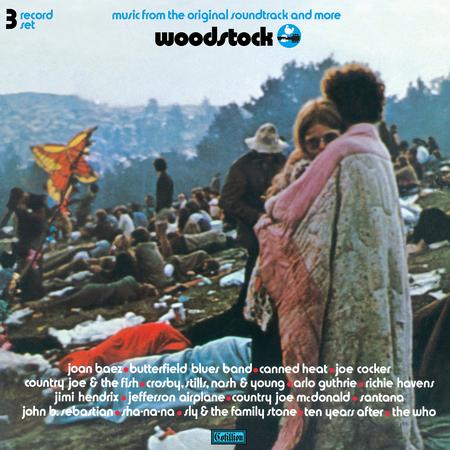
Woodstock: Music from the Original Soundtrack and More

On May 11, 1970 the soundtrack to the Woodstock film was released as a triple album, but only covered a fraction of the performances. My favorites from this “condensed,” initial release are performances by Canned Heat, Richie Havens, Arlo Guthrie, Sly and the Family Stone, CSNY, Santana, Joe Cocker, and Ten Years After. Obviously this was one of the cultural events of the 20th century U.S. if not the biggest. It introduced the masses to the likes of Richie Havens, Santana, and Canned Heat (whereas some of the others had previously had their coming out parties in places like Monterey two summers earlier). I think the one aspect of it all that sticks with me is the sheer nerve these folks had to have to get up on that stage in front of so many people, especially those who were better known locally in places like the Bay Area (Santana) or the East Village (Havens). Santana drummer Michael Shrieve had just turned 20, and he gave one of the more incredible performances of any musician there in my opinion.

Michael Shrieve - DRUMMERWORLD

Someone posed the question on an online music forum I visit, if you could go back and attend either the Monterey Pop Festival in 1967 or Woodstock in ’69, which would you choose? If I’m honest with myself, it would probably be Monterey. Woodstock was great and significant for all the reasons we’ve seen and heard over the years, but if I were to have plunked down on that hillside in the actual conditions they dealt with at Yasgur’s farm, I would’ve been miserable. Hendrix at dawn when I’m sitting in a muddy landfill and probably haven’t slept in a couple days? No thanks. I’m content to watch that on TV with a clean bathroom nearby. I would’ve made a lousy hippie when it comes down to it. and judging by the garbage left behind, many of the attendees made lousy hippies as well.

11 Images That Will Make You Go 'Wait, Really?' (With images ...

Hendrix at Monterey? Absolutely. The overall lineups for both events had their pros and cons looking back, but they were both unique. For example, the Association would not have fit into the Woodstock vibe (I know, I know, but somehow Sha Na Na did?), but they were still relevant enough to make sense at Monterey. From my perspective it seems there was a vast difference between 1967 and 1969 as seen in the documentaries of both events. At Monterey a hint of innocence could still be seen. The Counter Culture was just starting to explode, but in a way people seemed to maintain a little more individuality than a couple years later when it came to their appearances and attitudes. For most, the scene was still new and full of possibilities. There wasn’t quite the ubiquitous hippie uniform and attitude. Also, not as many people – musicians and fans alike – were as strung out at Monterey as at Woodstock. I’m not articulating this very well. Maybe it’s none of that. Perhaps it’s my perception that in 1967 there was more optimism for a better world: for the war to end, for racial harmony, etc. The year 1968 created much disillusion, and by the time Woodstock happened the first of the Manson murders had occurred less than a week earlier, Altamont was just a few months away, and Kent St. not far behind. All that said, I realize Woodstock couldn’t have been pulled off without positivity and optimism, so maybe this is all hindsight from someone who wasn’t even there. Perhaps somebody who was alive at the time can set me straight on this.

Crowd shot - Monterey Pop Festival | Monterey pop festival ...
Monterey Pop Festival, 1967
Woodstock
Woodstock, 1969

-Stephen

https://en.wikipedia.org/wiki/Woodstock:_Music_from_the_Original_Soundtrack_and_More

https://en.wikipedia.org/wiki/Monterey_Pop_Festival

May 1970, Pt. 1 – A Tragedy, a Timeless Protest Song, and The Beatles’ Swan Song

Occasionally I’ll scroll through my notes concerning albums and other topics I’d like to write about, and one constant throughout 1970 is that – my opinion only, of course – until about November it was an up and down year with the occasional great album or single release, plenty of o.k. but not quite up to par albums by very good artists, and too much bad news. Sure, this could probably be said about any year, but for me 1970 was very much a yin-yang grab bag – more so than I earlier thought it to be – and May might be the epitome of that sentiment.

Yin and yang - Wikipedia

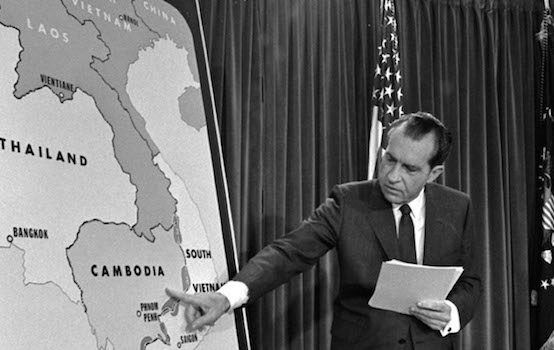
The immediate lead-up to May set the tone with the U.S. invasion of neutral Cambodia at the end of April. Whether one is hawkish or dovish, it had negative repercussions. From a military standpoint, who knows what would have been the ultimate result if they’d been allowed to continue their pursuit of the roughly 40k VC and North Vietnamese regulars whom they had discovered massing across the border from Vietnam? For those opposed to the war, well, what were we doing in Vietnam, let alone her neutral neighbor, in the first place? We know how it all turned out so I’m not going to write a term paper on the conflict. But the immediate impact in the U.S. of the Cambodian incursion was felt on the campus of Kent State University on May 4, where four students were shot dead and nine others wounded by members of the Ohio National Guard. The tragedy spawned arguably the most powerful protest song ever composed, and it was written very fast by Neil Young and recorded on May 21st by CSNY. Of course I’m referring to the single Ohio, b/w the anguish of Find the Cost of Freedom. It was released the following month, and it feels relevant even today.

When Nixon Told Us Invading Cambodia Would Save Civilization | The ...

How Nixon's Invasion of Cambodia Triggered a Check on Presidential ...

The Beatles – Let It Be (album and film)

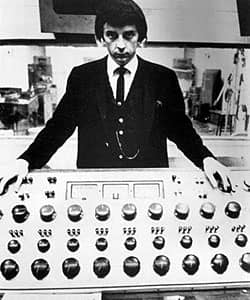
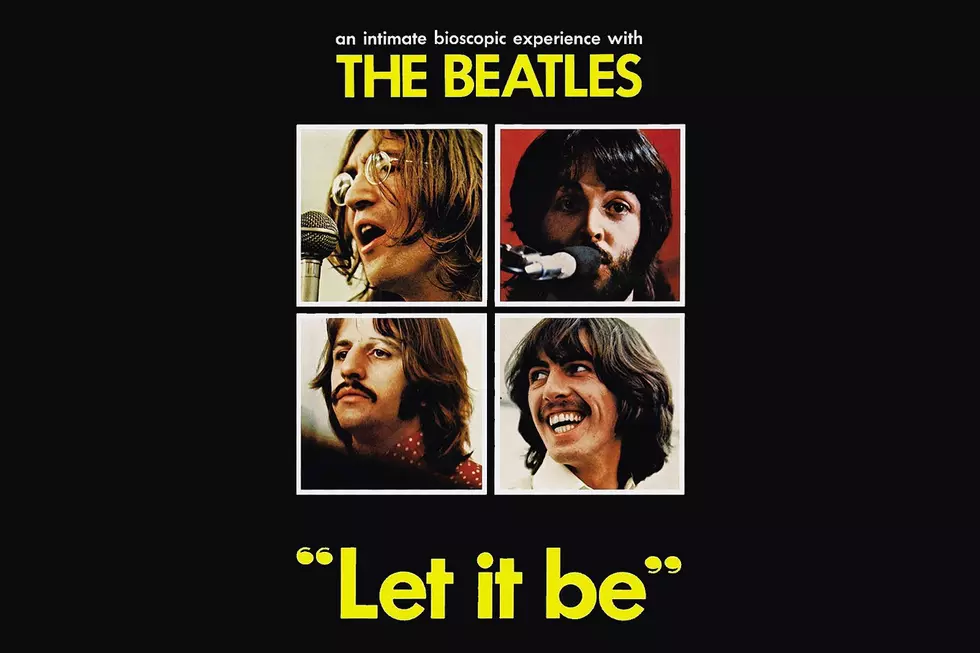
On May 8 the Beatles released their swan song album, Let It Be, followed by the release five (U.S.) and twelve (U.K.) days later of the documentary film of the same title. Both releases have been picked apart and analyzed to death over the years by critics, fans, and the band itself, mainly Paul McCartney. Personally, I’ve loved the album probably since before I could speak. This is true of almost all of their records. I grew up listening the weirdness of Dig a Pony and Maggie Mae, not thinking twice about the Spectorization of songs like The Long and Winding Road, I Me Mine and the title track. And as I’ve grown to love the music of George Harrison, his contributions to the album make it that much more enjoyable to me now as I near the half-century point in my own life. From a purely musical standpoint, this album is joy to me. It’s a visceral thing that I can’t really explain, but I know that to varying degrees there are many, many other fans who know what I mean. Let It Be has its own distinctive feel, but it’s just as “Beatles” as Meet the Beatles and Revolver. Perhaps that’s a positive acknowledgement of Phil Spector’s controversial contribution, I don’t know. I do know that the original gets played more often than Let It Be…Naked in my home.

Phil Spector

As for the movie, it is what it is. It’s a dreary and bleak document of the greatest band of all time in the process of breaking up, but with a great soundtrack. The first time I watched it as a kid was in the late 1970’s, and I remember thinking “This is gonna get better, right?” Fast-forward 50 years, and we’re about to be offered a new and improved Let It Be documentary, currently scheduled for release September 4, titled The Beatles: Get Back, directed by Peter Jackson and compiled from 55 hours of unused footage from the sessions. Prior to writing this post I revisited an earlier post on the 50th anniversary of the rooftop concert in which I expressed enthusiasm for the then-recently announced Jackson project. We’d been assured that, while it will show the group in a more positive light than the original film, it won’t be revisionist history. I still assume that will be the case, but I must say I’m getting a bit of a skeptical feeling after reading some recent quotes by Paul, Ringo, and others about how rosy and warm the new film is after they viewed it for themselves. I’m very much looking forward to seeing what restoration magic Jackson has done with the footage, most of which presumably most of us have never seen. And if it’s on film then whatever moments of love and brotherhood are shown really did happen. And that’s good to know. (I’ve deleted an additional paragraph on this topic. I’ll save it until I’ve actually seen the damn thing.)

50 Years Ago: 'Let It Be' Movie Captures the Beatles' Final Days

-Stephen

https://en.wikipedia.org/wiki/Cambodian_campaign

https://en.wikipedia.org/wiki/Kent_State_shootings

Peter Jackson’s Beatles Documentary Gets a Release Date

How Peter Jackson’s new version of ‘Let It Be’ will shatter your view of The Beatles

https://en.wikipedia.org/wiki/Let_It_Be_(Beatles_album)

https://en.wikipedia.org/wiki/Let_It_Be_(1970_film)


May 15 – R.I.P. Astrid Kirchherr

Sadly, Beatles author Mark Lewisohn has reported that Astrid Kirchherr, friend (and for a time, girlfriend of Stuart Sutcliffe) and photographer of the Beatles during their per-international fame days in Hamburg, passed away this week on 5/12/20.  She was just shy of her 82nd birthday.  She seemed like a very gentle soul.  God speed, Astrid.

From Real to Reel: Still Photographers at the Movies Astrid ...

Below is a sample of Astrid’s iconic black and whites of the Beatles in Hamburg.

John Lennon Hamburg, Germany 1960 | Astrid Kirchherr

Astrid Kirchherr: Paul McCartney, funfair portrait, Hamburg – Snap ...

Astrid Kirchherr – Snap Galleries Limited

Pop Art: Astrid Kirchherr and the Beatles - Los Angeles Times

It was 20 years ago today… Stuart Sutcliffe, Astrid Kirchherr ...

Astrid Kirchherr | Nostalgia Central

https://en.wikipedia.org/wiki/Astrid_Kirchherr